Two Terms, One Conversation — But They're Not Identical
Mindfulness and meditation are frequently treated as synonyms, especially in wellness marketing and popular culture. In practice, they describe related but distinct things. Understanding the difference helps you choose the approach that actually fits your life — and use each one more effectively.
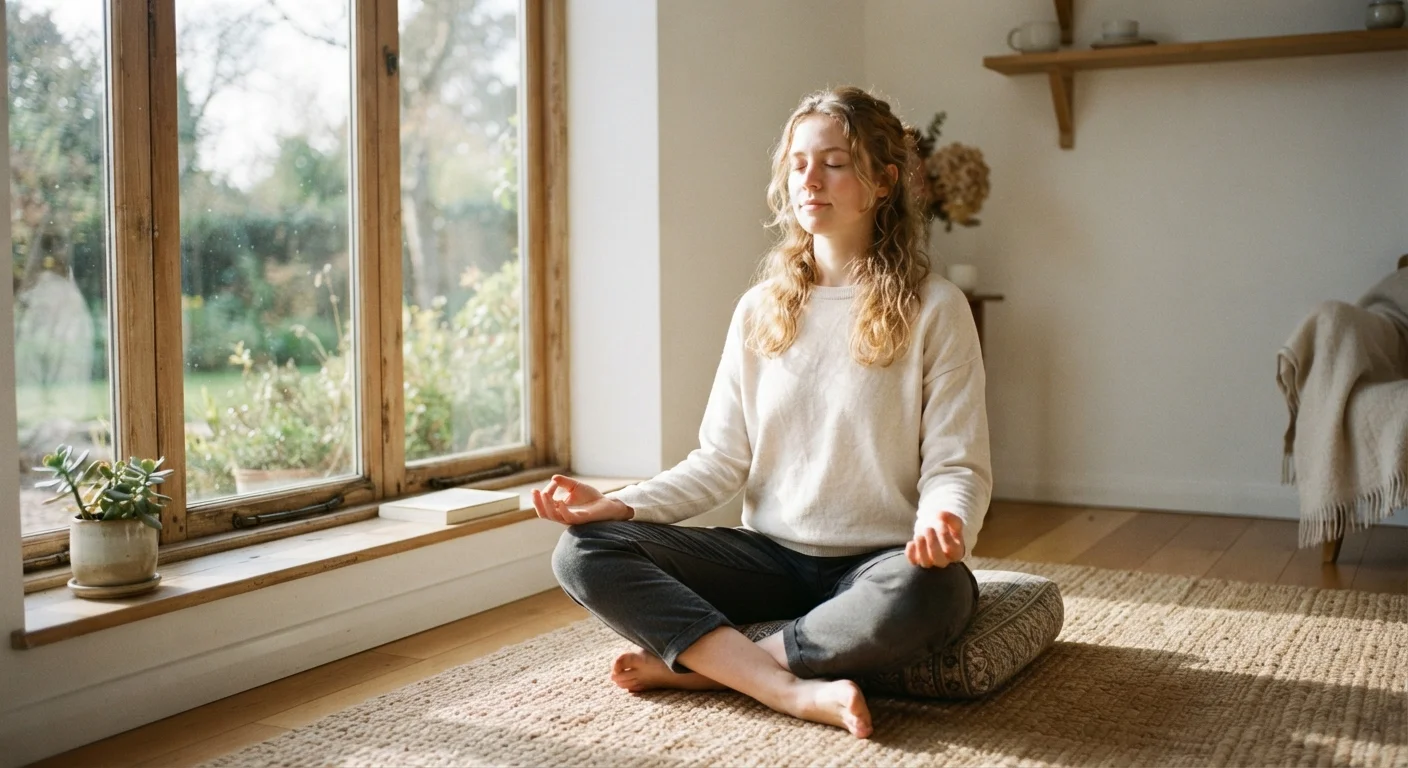
Mindfulness is a quality of attention: present-moment awareness, held without judgment. It's something you can bring to almost any activity — a conversation, a meal, a walk to the mailbox. You don't need to sit still or close your eyes. Meditation, by contrast, is a formal practice: a deliberate, time-set exercise designed to train mental qualities like focus, calm, or compassion. Think of mindfulness as the skill and meditation as one method of practicing that skill.
A useful analogy: physical fitness is a quality; going to the gym is one structured way to build it. You can improve your fitness through gardening, cycling, or dancing — just as you can cultivate mindfulness through intentional daily moments, not only through seated meditation sessions.
For a broader look at how seemingly small choices affect your emotional wellbeing, see everyday habits that can undermine mental health.
What the Research Actually Shows
Both practices have an expanding body of evidence behind them, though the quality and depth of research varies. Mindfulness-Based Stress Reduction (MBSR), a structured eight-week program developed at the University of Massachusetts Medical School, has been studied extensively and is associated with reductions in perceived stress and improvements in mood and sleep quality across multiple populations.
8 weeks
Duration of the most-studied MBSR program
The Mindfulness-Based Stress Reduction program, developed at UMass Medical School, has been the subject of hundreds of peer-reviewed studies examining its effects on stress and wellbeing.
~14%
U.S. adults who meditate regularly
According to a National Institutes of Health National Health Interview Survey, roughly one in seven American adults reported practicing meditation within the previous 12 months.
5 minutes
Minimum daily practice linked to measurable benefits
Research published in mindfulness journals suggests that even brief, consistent daily sessions can produce meaningful improvements in perceived stress over several weeks.
Meditation — particularly focused-attention and open-monitoring styles — has been linked in neuroimaging research to changes in areas of the brain associated with self-regulation and attention. However, researchers note that effect sizes vary, and long-term benefits depend heavily on consistent practice. Neither practice is a substitute for clinical treatment of anxiety, depression, or other mental health conditions.
It's also worth noting that many wellness claims circulating online outpace the current evidence. Common mental wellness myths examined offers a grounded look at what the evidence does and doesn't support.
Mindfulness and Meditation Are Not Therapy
Both practices are evidence-supported tools for general mental wellness, but they are not treatments for clinical conditions such as major depressive disorder, anxiety disorders, or PTSD. If you are managing a diagnosed condition or experiencing significant distress, these practices may complement — but should not replace — professional care. Always consult a licensed mental health professional for guidance tailored to your situation.
Side-by-Side: How They Compare
The table below distills the practical differences to help you decide where to focus first.
| Criterion | Mindfulness | Meditation |
|---|---|---|
| What it is | A quality of present-moment awareness | A structured mental training practice |
| When practiced | Anytime, integrated into daily activities | During a dedicated, time-set session |
| Time required | No fixed block; moments throughout the day | Typically 5–20+ minutes per session |
| Equipment or guidance needed | None — highly accessible | Optional; guided audio or instruction can help |
| Primary research support | Stress reduction, improved attention in daily life | Attention regulation, emotional self-management |
| Learning curve | Low — can begin immediately | Moderate — technique benefits from guidance |
Crucially, these approaches complement rather than compete with each other. Many people find that a short daily meditation session sharpens the mindful awareness they carry through the rest of their day.
Where to Start: Practical First Steps
If you're drawn to mindfulness, begin with single-task moments. Choose one routine activity each day — your morning coffee, a short walk, washing dishes — and commit to giving it your full, non-judgmental attention for its entire duration. When your mind wanders (and it will), simply notice that and return. No app required.
If you prefer meditation, start small: three to five minutes of focused breathing, sitting comfortably with eyes closed, directing your attention to the sensation of each inhale and exhale. Guided audio from reputable sources — universities, established mindfulness programs, or non-commercial apps — can help you build the habit without relying on guesswork.
Pairing either practice with reflective writing can deepen the benefit. Journaling for mental clarity explores how a simple reflection habit supports emotional processing over time. For a broader toolkit of evidence-informed habits, small daily practices that support long-term emotional resilience is worth exploring.
Consistency matters far more than duration. A two-minute mindful pause practiced daily produces more benefit over time than a 30-minute session attempted once a week. Start where you are, not where you think you should be.
This article is for general informational and educational purposes only and does not constitute medical or mental health advice. If you are experiencing symptoms of a mental health condition, please consult a qualified healthcare professional.