The Hidden Job Primer Is Actually Doing
Most homeowners think of primer as optional prep work — something that adds time and cost to a project that seems just as doable without it. But primer is doing several things at once that paint alone simply cannot replicate.
First, primer seals porous surfaces. Drywall, plaster, bare wood, and patched areas all absorb liquid at different rates. When you apply paint directly, it sinks unevenly into the surface — producing dull spots, colour inconsistency, and a finish that looks blotchy even after it dries. Primer creates a uniform layer that evens out that absorption.
Second, primer promotes adhesion. Paint is formulated to bond to primer, not necessarily to raw wall materials. Without that intermediate layer, the paint film sits on top of the surface rather than bonding to it — and over time, it lifts, chips, and peels.
Third, certain primers block stains and odours. If there's nicotine residue, water damage, or a grease spot beneath your topcoat, paint alone won't stop it from bleeding through. Stain-blocking primers seal those contaminants in place so they stay invisible.
Paint-and-Primer-in-One: What to Know
These combination products have improved considerably and can be suitable for repainting surfaces in good condition with similar colours. However, they generally don't perform as well as a dedicated primer on new drywall, heavily stained walls, or significant colour transitions. They're a convenience product, not a universal replacement for true primer coats.
What Actually Goes Wrong When You Skip It
The consequences of skipping primer aren't always immediate — which is part of what makes the mistake so frustrating. A freshly painted room might look fine for the first few weeks, then problems begin to surface.
Peeling and Flaking
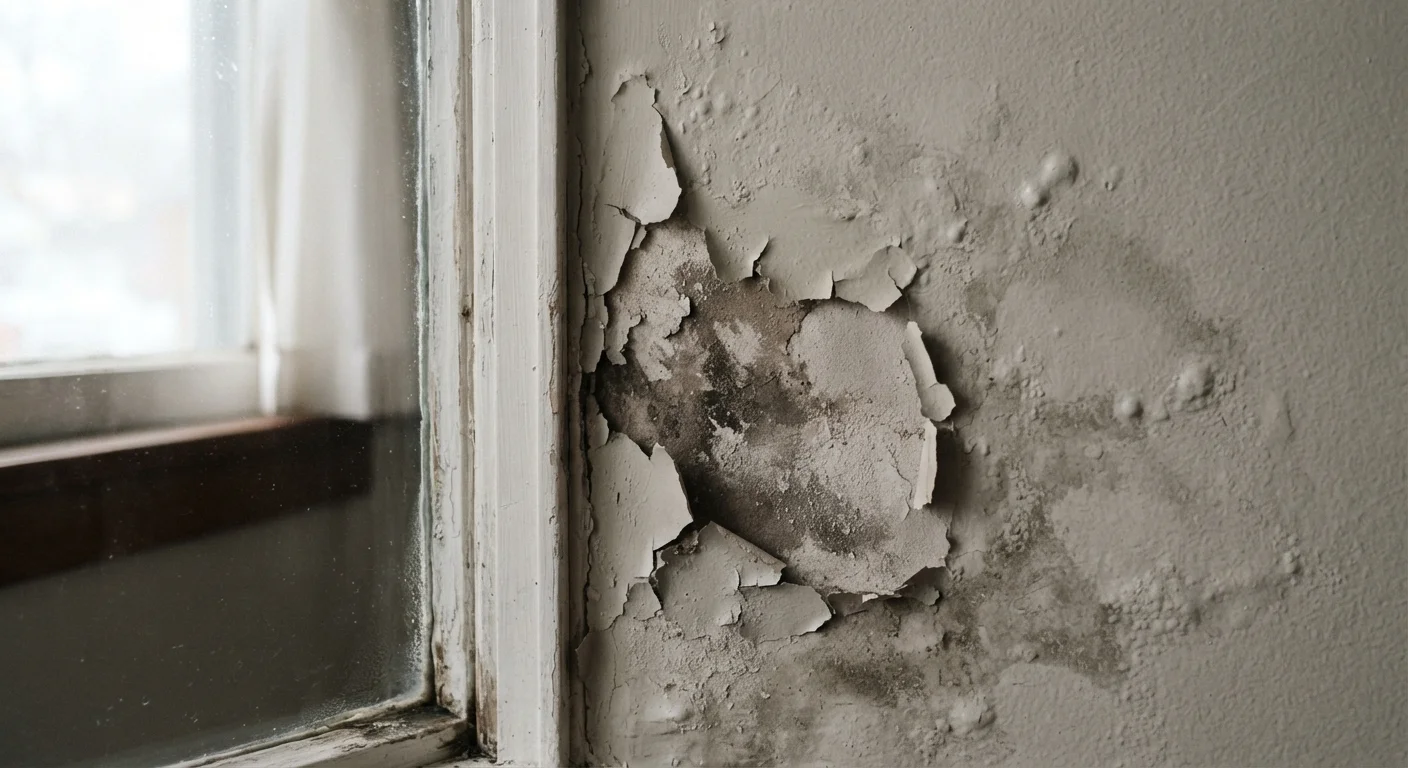
This is the most obvious failure mode. Without a proper bonding layer, paint begins to separate from the wall surface, especially in rooms with temperature swings or humidity — bathrooms, kitchens, and laundry rooms are common culprits.
Uneven Sheen and Colour (Flashing)
On new drywall especially, areas with joint compound absorb paint differently than the paper face. The result is visible patches with a different sheen — an effect called flashing — that extra coats of paint rarely fix because the root cause is absorption, not coverage.
Stain Bleed-Through
Water stains, marker, crayon, smoke residue, and grease can all migrate through standard paint over time. They may not appear on day one, but within weeks they often reappear as discoloured patches, requiring the wall to be stripped and properly primed before repainting.
Higher Paint Consumption
Without a sealed base, porous surfaces consume far more paint to reach full coverage. Homeowners who skip primer frequently end up applying three or four topcoats to achieve what two coats over primer would have accomplished — spending more time and more money in the process.
2–4x
Extra topcoats needed without primer on new drywall
Professional painters widely report that unprimed new drywall typically requires two to four additional paint coats to approach the coverage achieved with a single primer coat underneath.
~30%
Of DIY paint jobs show early failure signs within a year
Industry surveys from painting trade associations suggest a significant share of DIY repaint failures are linked to inadequate surface preparation, including skipped priming.
When Priming Is Non-Negotiable
There are situations where skipping primer is especially likely to cause visible, lasting problems. These include:
- New drywall: The surface is highly porous and will flash without primer — this is one of the clearest non-negotiable scenarios.
- Repaired or patched walls: Spackling and joint compound absorb paint differently than surrounding surfaces. Spot-priming repairs creates a consistent base.
- Dark-to-light colour changes: Painting a deep navy or charcoal wall white without primer can require six or more topcoats. A tinted primer dramatically reduces that number.
- Previously glossy surfaces: High-gloss paint is slick, and new paint doesn't adhere well to it. A bonding primer — sometimes used alongside light sanding — gives the new coat something to grip.
- Stained or damaged walls: Any surface with visible staining, smoke damage, or water marks needs a stain-blocking primer first.
Spot Prime Before You Roll
If your walls are in generally good shape but have a few repairs or stains, you don't necessarily need to prime the entire room. Spot-priming — applying primer only to repaired patches, stains, and bare areas — saves time while still preventing the most common failure points. Allow the spot primer to dry fully before applying topcoat.
Just like skipping a seemingly minor maintenance step can cascade into larger problems — as explored in our article on what happens when you skip an oil change — bypassing primer tends to create compounding repair costs down the road.
Primer Types: Matching the Right One to Your Surface
Not all primers are the same, and using the wrong type can limit your results even when you do prime.
- Latex (water-based) primer: The most common choice for interior drywall and previously painted surfaces. Easy cleanup, fast drying, low odour.
- Oil-based primer: Offers superior adhesion and stain blocking, particularly on wood trim, bare metal, and surfaces with significant tannin bleed (like knotty wood). Longer drying time and stronger fumes — ensure adequate ventilation.
- Shellac-based primer: The strongest stain blocker available for interior use. Ideal for severe smoke damage or persistent water stains. Dries quickly but requires denatured alcohol for cleanup.
When in doubt, read the paint manufacturer's recommendations for your specific surface type. Matching primer to substrate isn't complicated, but getting it right makes a measurable difference in how long the finish holds up.
“Surface preparation accounts for the majority of a paint job's durability. The best paint in the world won't compensate for inadequate prep underneath it.”
— Painting and Decorating Contractors of America, Professional trade association for the painting industry
A well-primed surface is the difference between a paint job that looks great for a season and one that holds up for a decade — so treat the prep stage as seriously as the painting itself.