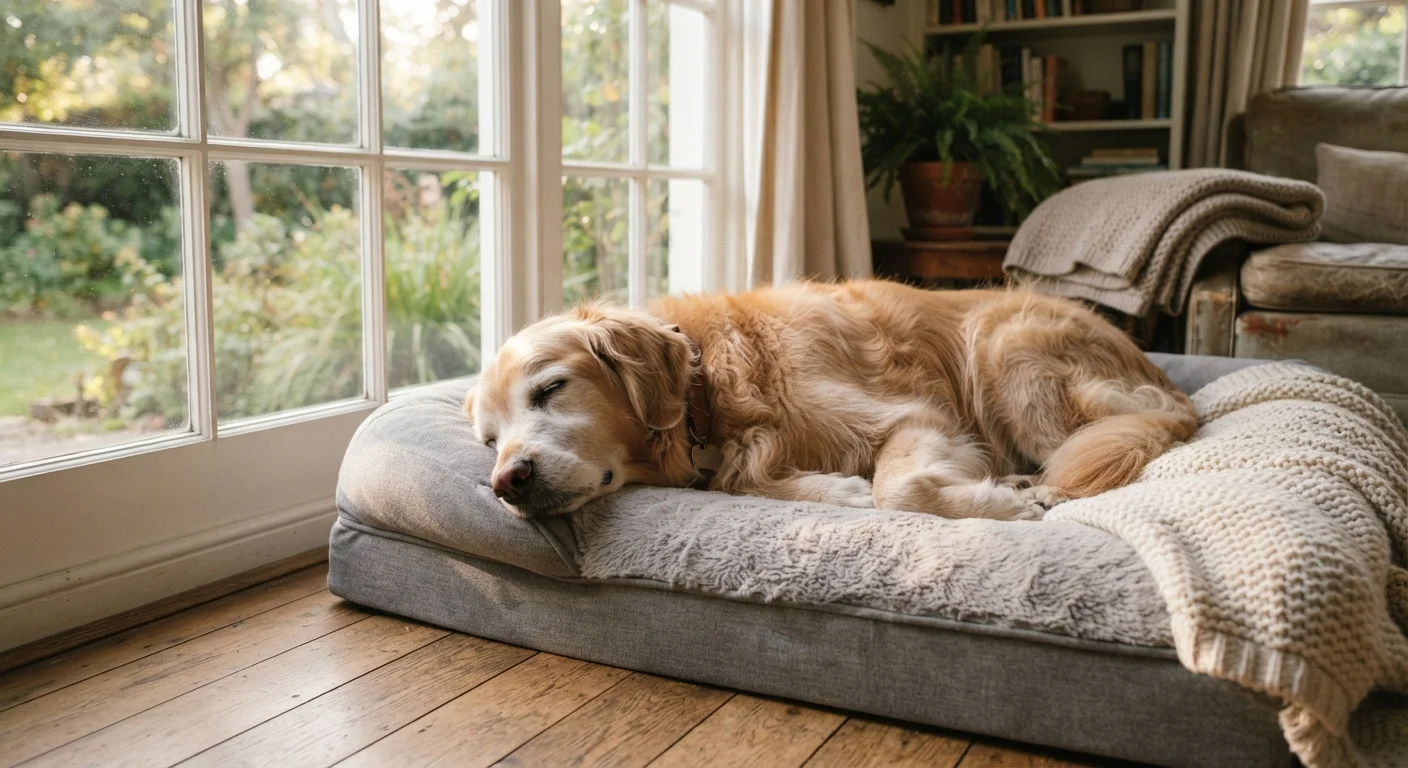
Recognizing When Your Dog Has Entered Their Senior Years
Dogs are generally considered seniors when they reach the last quarter of their expected lifespan — roughly seven years for large breeds and nine to ten years for smaller dogs. The transition isn't always dramatic. You might notice your dog sleeping more, moving a little slower after rest, or being less enthusiastic about long walks. These shifts are normal, but they signal that a few intentional changes to care routines will go a long way.
Learning to read your dog's physical and behavioral cues is one of the most useful skills you can develop. Our guide on what your dog's body language is actually telling you can help you distinguish between everyday tiredness and signs of discomfort that deserve a closer look.
Adjusting Veterinary Care for an Older Dog
One of the most impactful things you can do for a senior dog is increase the frequency of professional check-ups. Most veterinarians recommend moving from annual to twice-yearly wellness exams for dogs in their senior years. Conditions like dental disease, hypothyroidism, kidney disease, and arthritis often develop gradually and are far easier to manage when caught early.
2x
Recommended vet visit frequency for senior dogs
Veterinary consensus generally holds that dogs in their senior years benefit from wellness exams every six months rather than annually.
~50%
Of dogs over age 8 affected by arthritis
Estimates from veterinary sources suggest arthritis is one of the most common conditions in older dogs, often going undiagnosed without regular screening.
At these visits, your vet may recommend blood panels, urinalysis, or blood pressure checks that aren't standard in younger dogs. These screenings give a baseline picture of organ function and help detect change over time. Don't hesitate to bring a written list of behavioral changes you've noticed at home — even small things can be relevant.
When to Contact Your Vet Sooner
Twice-yearly check-ups are a baseline, not a ceiling. If your older dog shows sudden changes — significant weight loss or gain, difficulty breathing, collapse, persistent vomiting, or extreme lethargy — contact your veterinarian promptly rather than waiting for a scheduled visit. Senior dogs can decline more quickly than younger ones, and earlier assessment generally leads to better outcomes.
This article provides general information for educational purposes and is not a substitute for professional veterinary advice. Always consult your veterinarian about your individual dog's health needs.
Nutrition and Weight Management in Later Life
Metabolism slows as dogs age, and dietary needs shift accordingly. Many older dogs benefit from food formulated for seniors — typically lower in calories, higher in fiber, and supplemented with nutrients that support joint and cognitive health. However, not every senior dog needs the same formulation, and your vet is the right person to guide that decision based on your dog's weight, activity level, and any existing health conditions.
Maintaining a healthy body weight is especially important. Extra weight puts additional strain on already-aging joints and can worsen conditions like arthritis and heart disease. Measure portions carefully rather than free-feeding, and factor treats into the daily calorie budget.
Transition to a senior-formulated diet in consultation with your veterinarian.
Senior dog foods are designed to address the specific nutritional shifts that come with age, including reduced caloric needs and support for joint and cognitive function. Making this change without guidance can result in under- or over-supplementing nutrients.
Schedule veterinary wellness exams at least twice per year.
Age-related conditions progress faster than many owners expect. Biannual exams allow your veterinarian to track changes in organ function, dental health, and body weight before they become serious problems.
Maintain consistent, low-impact daily exercise rather than sporadic intense activity.
Gentle, regular movement preserves muscle mass and joint flexibility, both of which decline faster in sedentary senior dogs. Irregular bursts of high activity can cause strain or injury.
Modify the home environment to reduce pain and fall risk.
Hard floors, high furniture, and steep stairs become genuine hazards for dogs with reduced strength or joint pain. Simple modifications prevent injury and reduce daily discomfort.
Monitor and respond to subtle behavioral changes promptly.
Dogs instinctively mask discomfort, so changes in sleep patterns, appetite, social interaction, or movement are often the earliest indicators of pain or illness. Acting early improves outcomes.
Exercise, Mobility, and Making Your Home Safer
Regular, gentle movement remains important throughout a dog's life — it supports muscle mass, joint flexibility, and mental stimulation. The goal for senior dogs is consistency over intensity. Shorter, more frequent walks on soft surfaces like grass are often easier on arthritic joints than one long outing on pavement.
Warm Up Before Walks in Cold Weather
Cold temperatures can worsen joint stiffness in older dogs, much like they do in people. Give your dog a few minutes to move around indoors before heading out in cool weather, and consider a lightweight dog coat for short-haired or lean breeds. Keep walks shorter when it's very cold, and check paws for ice or salt irritation when you return.
At home, a few low-cost changes can significantly improve comfort and safety. Orthopedic foam beds provide better joint support than thin cushions. Non-slip rugs or mats on hardwood or tile floors reduce the risk of slipping. Ramps or low steps at furniture or car entrances spare your dog from jarring jumps. Keeping food, water, and resting spots on a single floor avoids unnecessary stair climbing for dogs with mobility challenges.
For dogs that were highly active when young, the adjustment to a gentler pace can be gradual. Paying attention to how your dog recovers after activity — whether they seem stiff the next morning, for instance — helps you calibrate the right level of exercise. The contrast between caring for a lively puppy and an older companion is significant; if you're new to the senior stage, our article on bringing a dog home for the first time is a useful reminder of how much routines evolve across a dog's life.