Why Categories Matter More Than Totals
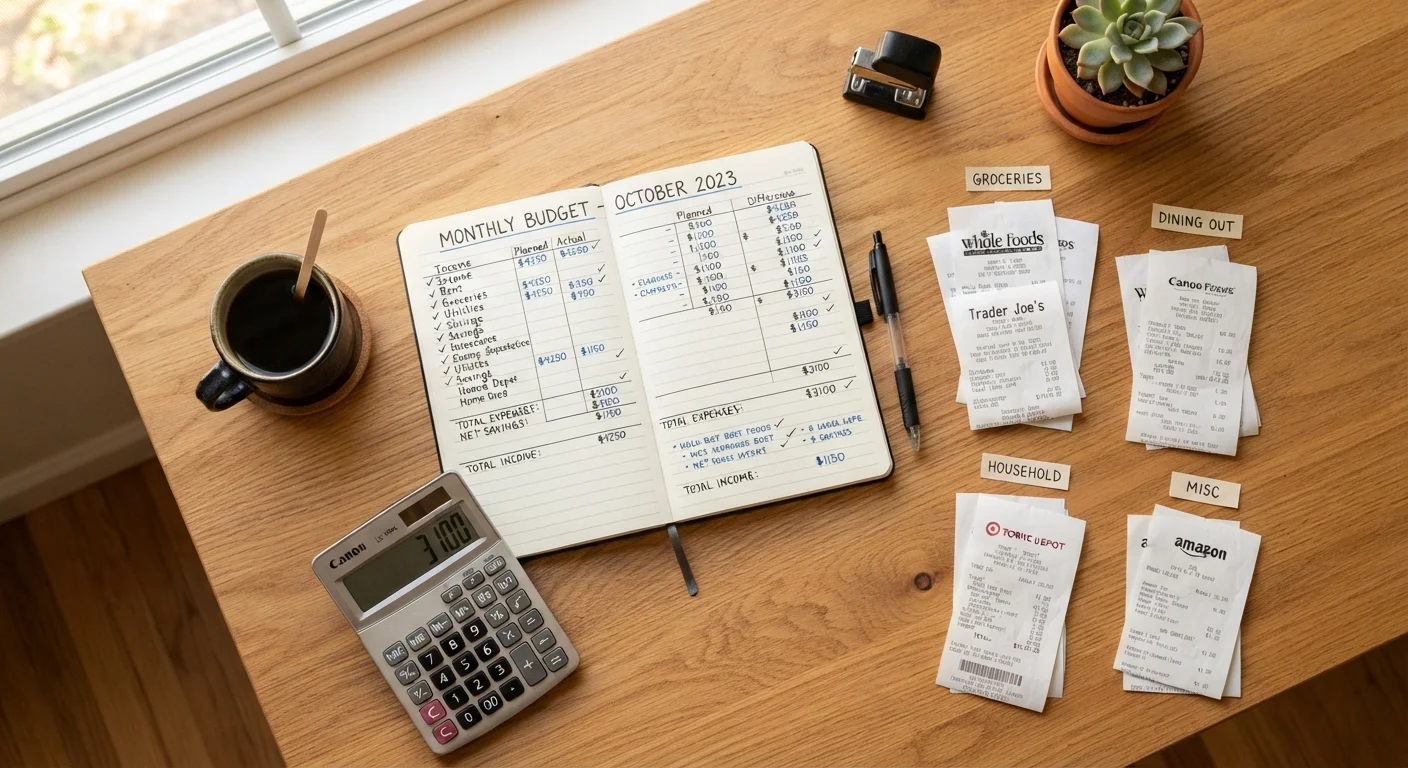
Most people know roughly how much they earn each month. Far fewer know specifically where that money ends up. Knowing you spent $2,400 last month tells you almost nothing — knowing that $900 went to rent, $380 to groceries, and $290 to restaurants gives you something to act on.
Spending categories convert a raw total into a map. That map shows not just amounts but patterns — the subscriptions you forgot about, the category that quietly grew, the area where you have real room to adjust. Without categories, budgeting is guesswork dressed up as math.
If you've never organized your expenses before, the walkthrough for mapping your true cost of living is a useful place to start before building out a full budget.
33%
Average share of income spent on housing
According to the U.S. Bureau of Labor Statistics Consumer Expenditure Survey, housing consistently represents the largest single spending category for American households.
~13%
Share of spending going to food
The same BLS survey data shows Americans spend roughly 13% of total expenditures on food, split between groceries and food away from home.
1 in 3
Adults with no formal monthly budget
Surveys by the National Foundation for Credit Counseling have found that a substantial share of U.S. adults do not maintain a written or tracked monthly budget.
The Core Spending Categories Most Budgets Use
While your exact categories will reflect your life, most household budgets share the same core structure:
- Housing: Rent or mortgage, renters or homeowners insurance, property taxes, and basic utilities (electricity, water, gas, internet).
- Food: Groceries and household supplies are typically separated from dining out and takeout, since they behave very differently in a budget.
- Transportation: Car payment, fuel, insurance, parking, tolls, public transit passes, and maintenance costs.
- Healthcare: Insurance premiums, copays, prescriptions, dental, and vision expenses.
- Personal & Lifestyle: Clothing, personal care, fitness, hobbies, entertainment, and subscriptions.
- Savings & Debt: Emergency fund contributions, retirement savings, and any debt payments beyond minimums.
Understanding how these expenses behave is just as important as labeling them. Fixed and variable expenses differ in ways that directly shape how you budget — fixed costs are predictable; variable ones require active monitoring.
How to Find Out Where Your Money Is Actually Going
The gap between what people think they spend and what they actually spend is often significant. Research on consumer behavior consistently finds that people underestimate discretionary spending — particularly on food, subscriptions, and small daily purchases that don't feel significant in the moment.
The most reliable method is a spending audit: pull one to three months of bank and credit card statements and tag every transaction with a category. Look for:
- Recurring charges you'd forgotten about
- Categories where actual spending consistently exceeds your mental estimate
- Irregular but predictable costs (annual fees, seasonal expenses) that aren't reflected in your monthly thinking
You don't need an app to do this — a simple spreadsheet with columns for date, description, amount, and category is enough. Most people are surprised by which categories quietly drain the most once they actually look at the numbers.
Start With Just One Month of Data
You don't need a perfect system before you begin. Pull a single month of statements, assign each transaction to a rough category, and total them up. Even one imperfect month of real data is more useful than an estimated budget built on assumptions. Refine your categories as you go.
Turning Category Awareness Into a Budget That Works
Once you know your actual spending by category, you have a realistic baseline to work from. That's the starting point — not a judgment about your choices, but data about your current habits.
From there, you can ask one practical question per category: Is this amount intentional, or did it just happen? Some spending will reflect clear priorities. Other amounts will surprise you. The goal is to make your spending match your values rather than accumulate by default.
If you're ready to turn this category map into a full monthly plan, the step-by-step guide to building your first monthly budget walks through the process from scratch. And once you have a budget in place, a monthly budget health check helps you catch spending drift before it becomes a problem.
“A budget is telling your money where to go instead of wondering where it went.”
— Dave Ramsey, Personal finance author and radio host
This article is for general informational and educational purposes only and does not constitute personalized financial advice. Consult a qualified financial professional for guidance specific to your situation.