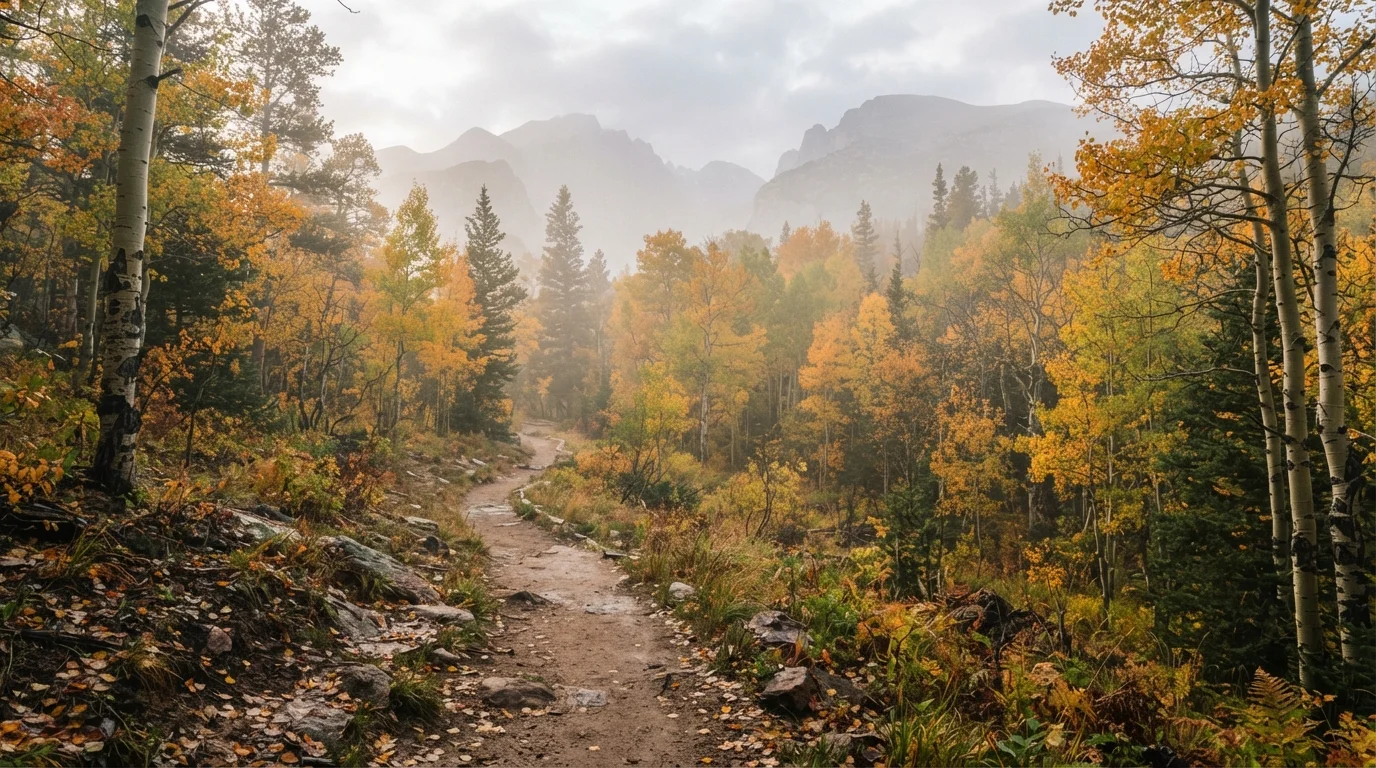
What Shoulder Season Actually Means
Travel seasons aren't binary. Most destinations don't flip from packed to empty overnight — they ramp up and wind down through transition periods that sit between the extremes. That middle ground is shoulder season.
In the US, peak season at most beach destinations runs from Memorial Day through Labor Day. Mountain and national park destinations peak in July and August. Ski resorts hit their busiest stretch from late December through February. Shoulder season is the few weeks before and after each of those windows.
The concept matters because visitor demand — not operating costs — drives a significant portion of travel pricing. When demand softens, rates often follow. Understanding this dynamic is what makes shoulder season a useful planning tool rather than just a quirky travel buzzword.
Shoulder Season Isn't the Same as Off-Season
Off-season typically refers to a destination's lowest-demand period, when some attractions, lodges, or services may close entirely. Shoulder season specifically means the transition period when most infrastructure is still operating but demand — and often pricing — has softened. The distinction matters when you're trying to avoid closures while still benefiting from reduced crowds.
What Actually Changes When You Travel Shoulder Season
The most immediate change is crowd density. At a place like Acadia National Park in Maine, the difference between a July weekend and a mid-September weekday is dramatic — both in parking availability and the sense of space on the trails. The same logic applies to Florida Gulf Coast towns in late April versus peak spring break weeks.
Pricing often shifts too, though not uniformly. Accommodation in heavily seasonal destinations tends to drop first and most noticeably. Airfare to leisure markets — think coastal cities, ski gateways, or park-adjacent towns — frequently softens. Car rental rates, which surge during summer and holiday peaks, can ease considerably in between.
What doesn't always change: major attraction operating hours, most restaurant menus, and the core experience you came for. A trail is still a trail. A waterfall still falls.
30–50%
Typical hotel rate drop in off-peak periods
Industry analysts have noted that heavily seasonal leisure destinations commonly see accommodation rates fall 30–50% outside peak demand windows, though the range varies significantly by market and property type.
3–4 million
Monthly visitors to top US national parks at peak
Parks like Great Smoky Mountains and Grand Canyon each receive millions of visitors during summer peak months, with fall shoulder months seeing considerably lower counts according to National Park Service visitation data.
2–6 weeks
Typical length of a shoulder season window
Most US leisure destinations have recognizable shoulder windows of two to six weeks on either side of peak, though urban and multi-season destinations have more compressed or fragmented shoulder patterns.
Destination-by-Destination: How Shoulder Season Looks
Shoulder season timing isn't universal — it depends entirely on the destination's demand pattern.
- Coastal beach towns (Carolinas, Gulf Coast, New England): Late April through May and September offer warm enough weather with meaningfully thinner crowds and lower lodging rates than peak summer.
- Western national parks (Yellowstone, Zion, Grand Teton): May and October bookend the summer crush. October in particular brings fall foliage to many parks, arguably better scenery with a fraction of the crowds.
- Mountain towns (Colorado, Vermont): Between ski season and summer hiking season — typically late April through May and again in late October — these towns enter a genuine off-shoulder mode with reduced services but very few visitors.
- Major cities (New York, Chicago, New Orleans): Urban destinations are less seasonal, but conventions and major events create micro-peaks. Checking event calendars before booking can surface useful shoulder windows even in cities.
For travelers planning longer trips that hit multiple destination types, mapping this out before you go helps align timing across very different demand curves.
What You Gain — and What to Watch For
Beyond cost, shoulder season travelers often gain something harder to quantify: a more relaxed, authentic experience. Restaurants that were turning tables every 45 minutes in peak season have breathing room. Locals are more present and less overwhelmed. You spend less time in lines and more time actually doing the thing you traveled for.
The trade-off is mostly weather variability and occasional service gaps. Some park shuttle systems, boat tours, or seasonal lodges operate on reduced schedules in May or October. A quick call to a visitor center or a check of a park's official website before you leave solves most of this.
Call Ahead Before You Finalize Plans
Shoulder season is the one time when it genuinely pays to confirm details directly with parks, smaller lodges, and tour operators before you book flights. Hours, shuttle availability, and seasonal menus can change significantly week-to-week during transition periods. Most visitor centers have phone lines or up-to-date websites that answer these questions quickly.
Budget-conscious travelers who want to stretch every dollar further should also consider the longer-range planning perspective. Our pre-trip budget planning checklist walks through accommodation, transport, and contingency planning in detail. And if national parks are part of your itinerary, this guide to stretching a park travel budget covers entry passes and campsite booking strategies that work especially well during shoulder periods.
Shoulder season won't suit every traveler or every trip. But for those with some schedule flexibility, it's one of the most practical tools available for experiencing the US at a more human pace — and keeping costs in check along the way.
“The best time to visit a place is when you can actually experience it — not when you're competing with thousands of other people for the same view. Shoulder season is often that time.”
— Arthur Frommer, Travel writer and founder of Frommer's Travel Guides