Choosing Your Route: Start With a Question, Not a Map
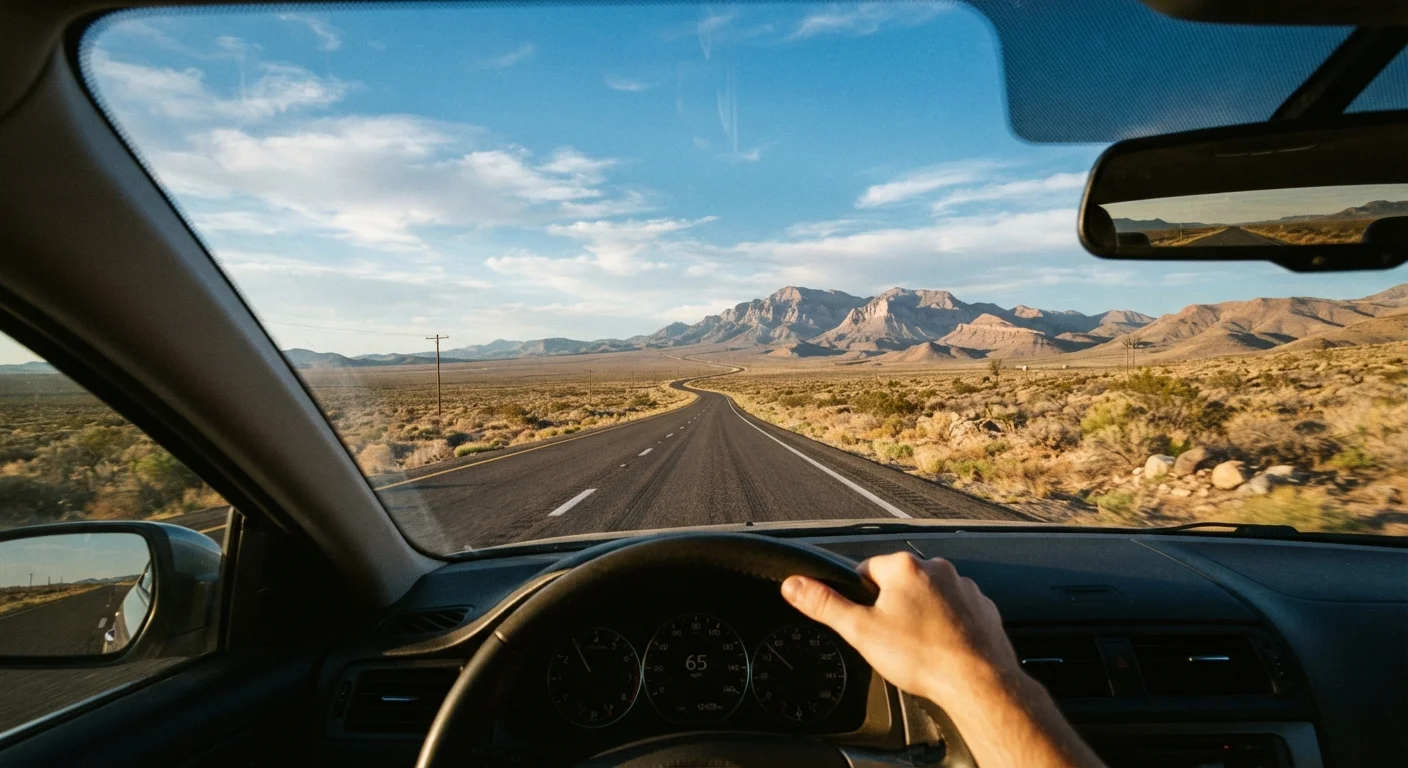
The biggest mistake first-time road trippers make is opening a map before asking themselves what they actually want from the trip. Are you chasing wide-open landscapes, coastal views, historic small towns, or a mix of all three? Your answer shapes everything — from which highway you take to how many miles per day makes sense.
Classic US road trip corridors — such as Route 66 through the Southwest, the Pacific Coast Highway along California, or the Blue Ridge Parkway in the Appalachians — each offer a distinct character. You don't have to choose the most famous route. Plenty of memorable trips unfold on lesser-traveled roads. Understanding what different kinds of stops offer can help you figure out what mix suits you best.
Once you have a general direction, sketch a loose outline: a start point, an end point (or loop), and two or three must-see anchors. Fill in the gaps later. Keeping your initial plan flexible means you can chase a recommendation from a local diner owner or add an unexpected state park without stress.
MPG (Miles Per Gallon)
A measure of how far your vehicle travels on one gallon of fuel. Higher MPG means lower fuel costs over the same distance.
Dispersed camping
Camping on public land outside of designated campgrounds, typically on Bureau of Land Management (BLM) or National Forest land, often at no cost but subject to specific rules.
America the Beautiful Pass
An annual federal pass that covers entrance fees at most US national parks and federal recreation lands. It's purchased once and valid for 12 months.
Shoulder season
The travel period just before or after a destination's peak season. Crowds are typically smaller and prices lower, though some services may have reduced hours.
Roadside assistance
A service plan that provides help if your vehicle breaks down — covering things like towing, flat tire changes, and jump-starts. Many auto clubs and insurance policies include this.
Budgeting Before You Book
Road trips feel freewheeling, but the costs are real and can catch travelers off guard. Before you leave, estimate four core categories: fuel, lodging, food, and activities or entrance fees.
- Fuel: Divide your total planned mileage by your vehicle's MPG, then multiply by an average gas price for your route region. Don't forget tolls — interstates through the Northeast and Midwest can add meaningful costs.
- Lodging: Motels along rural interstates are often more affordable than urban hotels. Campgrounds and dispersed public land camping can reduce overnight costs significantly.
- Food: Grocery runs and a cooler in the back seat cut spending compared to three restaurant meals a day. Budget a daily food estimate and track it from day one.
- Activities: National park passes, guided tours, and attraction fees add up. An America the Beautiful annual pass covers entrance to most national parks and federal lands, which can be worthwhile if your route passes through several.
For a thorough pre-departure financial checklist, see our pre-trip budget planning checklist. And for a deeper look at which costs most often blindside travelers, the hidden costs of US road trips guide is worth reading before you finalize your numbers.
Use a Cooler to Cut Food Costs
A well-stocked cooler with deli items, fruit, and drinks can replace one or two restaurant meals a day without sacrificing energy or enjoyment. Stock up at grocery stores in larger towns before heading into rural stretches where options thin out. This single habit can save a meaningful amount over a week-long trip.
Timing, Pacing, and Overnight Stops
How many miles you drive each day matters more than most first-timers expect. A common sustainable pace for adults is 400–500 miles per day, which translates to roughly 6–8 hours of driving with stops. Pushing beyond that consistently leads to fatigue and rushed experiences at destinations you drove hundreds of miles to see.
Timing your trip seasonally also shapes the experience considerably. Summer brings peak crowds and higher prices at popular parks and coastal towns. Traveling in shoulder season — typically May–June or September–October — often means more breathing room at popular stops and lower accommodation rates.
Plan overnight stops with purpose. Look for towns roughly equidistant between your daily anchors, check that lodging options exist (rural stretches can be sparse), and if camping, confirm that sites don't require reservations made months in advance — particularly near national parks in summer.
National Park Reservations Fill Fast
Many popular national parks — including Yosemite, Zion, and Glacier — now require timed-entry reservations during peak months, separate from campground bookings. These spots can fill months in advance. Check the official National Park Service website well before your trip to understand each park's current entry requirements.
Vehicle Readiness and What to Pack
Your vehicle is your most critical piece of equipment. Before departure, work through a basic check: tire pressure and tread depth, engine oil level, coolant, windshield wiper fluid, and brake fluid. If your car is approaching a service interval, complete it before the trip. A qualified mechanic can perform a pre-trip inspection if you want professional confirmation that everything is road-ready.
Beyond the car itself, what you pack shapes daily comfort significantly. The essentials most drivers remember — phone charger, water, snacks, a playlist — are just the starting point. A full road trip packing list covers the vehicle safety items and comfort gear that often get left behind, from jumper cables and a first-aid kit to sun shades and a physical map backup.
If this is your first long-distance drive, our first long-distance drive guide covers the driving-specific preparation in detail — from managing highway fatigue to understanding rest stop spacing.
Don't Skip the Pre-Trip Mechanical Check
A breakdown on a remote highway is far more disruptive — and expensive — than a preventive service before departure. Tire blowouts caused by worn tread are a leading cause of road trip incidents. If you're uncertain about your vehicle's condition, have a licensed mechanic assess it before you leave, not after something goes wrong.
Making the Most of the Journey Itself
The best road trips rarely go exactly as planned — and that's a feature, not a bug. Leave deliberate buffer in your daily schedule to stop when something looks interesting, linger at a viewpoint longer than expected, or take a detour on a recommendation. Some of the most memorable stops on American road trips are ones that weren't on the original itinerary.
Traveling with others changes the dynamic in useful ways — shared driving duties, split costs, and built-in company. Traveling solo offers complete flexibility and a different kind of personal engagement with the landscape. How solo and group road trips compare is worth reading before you decide your travel structure.
Whatever your setup, build in at least one rest day for every five to seven days on the road. Driving through fatigue is one of the most common avoidable safety risks on long trips. Slow down, eat well, hydrate, and remember: the road itself is the destination.