National Parks: The Anchor Stops
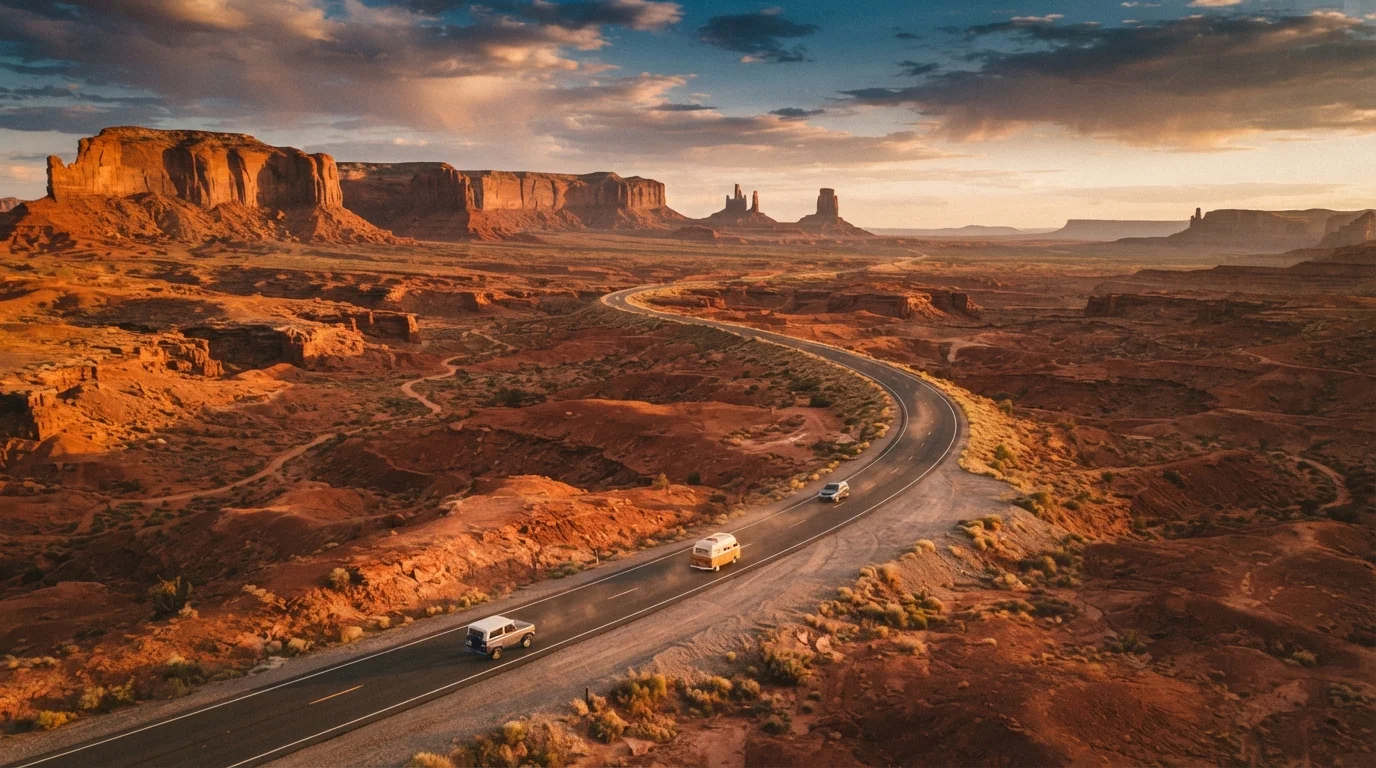
For most American road trippers, a national park is the destination that justifies the whole trip. Parks like Grand Canyon, Glacier, and Great Smoky Mountains draw millions of visitors because they deliver on scale — landscapes that simply cannot be replicated or summarized. But they also require more planning than any other stop type.
Entry fees, timed-entry permits, and campground reservations at popular parks often sell out months in advance. Going in without a plan — especially in summer — can mean sitting in a two-hour entry queue or being turned away entirely. Shoulder season travel — typically May, late September, and October depending on the park — dramatically reduces these friction points while keeping most trails accessible.
Parks also vary widely in what they offer. Families with young children will find some parks far more navigable than others. Matching the right park to your kids' ages makes a meaningful difference in how enjoyable those stops actually are.
Book Park Entries Early
For high-demand parks like Zion, Glacier, and Rocky Mountain, timed-entry permits often release months in advance and fill quickly. Check the National Park Service reservation portal as soon as your travel dates are set — walk-up availability at peak times is limited and not guaranteed.
Small Towns: The Underrated Middle Layer
Between the big parks and the interstates lies an enormous network of small American towns that most road trippers blow past without stopping. That's a mistake. Small towns provide something national parks largely can't: a window into how people actually live across different regions of the country.
A main street diner in rural Montana, a historic courthouse square in a Texas Hill Country town, or a fishing village on the Oregon coast each tells a different American story. These stops tend to be cheaper — accommodation, meals, and entertainment costs are typically lower than in tourist-heavy destinations — and the pacing is genuinely restorative after long driving days.
400+
Sites in the US National Park System
According to the National Park Service, the system includes national parks, monuments, historic sites, recreation areas, and more.
~$150B
Annual US road trip spending
The US Travel Association has reported that road trips represent a significant share of total domestic travel expenditure, with hundreds of millions of trips taken annually.
35%
Road trippers who prefer rural routes
Survey data from AAA has suggested that a substantial share of American road trippers prioritize scenic or rural highways over major interstates when given the choice.
For drivers interested in slow travel through affordable destinations, small towns are the core infrastructure. The key is identifying which towns along your route have enough to anchor a half-day or overnight stop — local history, a notable natural feature, or a food scene worth seeking out.
Roadside Oddities: The Spontaneous Detours
No category of road trip stop is more uniquely American than the roadside attraction. The World's Largest Ball of Twine in Cawker City, Kansas. Cadillac Ranch outside Amarillo, Texas. The Shoe House in Hellam, Pennsylvania. These stops are often absurd, occasionally baffling, and almost always memorable.
Roadside oddities function differently than parks or towns — they're rarely worth a long detour on their own, but encountered along a route, they inject genuine delight into a driving day. They're also typically free or cost just a few dollars, making them some of the highest-value stops per minute of time invested.
“The road trip is the quintessential American experience — not because of the destination, but because of the accumulated texture of everywhere in between. The roadside stop you almost skipped is often the one you remember longest.”
— John A. Jakle, Cultural geographer and author of 'The Tourist: Travel in Twentieth-Century North America'
The iconic American road trip routes like Route 66 were practically built around this phenomenon — a string of curiosities and local roadside businesses that made the drive itself the destination. That spirit hasn't disappeared; it's just more widely distributed across the country now.
Building an Itinerary That Mixes All Three
The most satisfying road trips don't optimize for any single stop type — they balance all three. A rough framework that works for many drivers: anchor two or three days around a major national park, fill connecting days with small-town overnight stops, and keep an eye out for roadside oddities along the way without forcing them.
This approach solves a common road trip problem: park fatigue. Spending eight straight days in national parks can actually dull the experience. Breaking it up with a quirky roadside museum or a small-town evening restores the sense of discovery.
Solo vs. Group Dynamics Affect Stop Choices
The type of stops you prioritize can shift significantly depending on whether you're traveling alone or with others. Solo drivers often have more flexibility to linger at offbeat stops, while group trips may require more structured anchor destinations to keep everyone aligned. See our look at how solo and group road trips differ for a fuller breakdown.
Logistics matter too. Planning from scratch means thinking about daily mileage, overnight stop spacing, and fuel costs alongside the destination list itself. The hidden costs of mixing stop types — entry fees, parking, unexpected detour fuel — are worth estimating before you leave. Our breakdown of hidden road trip costs can help you build a more realistic budget.