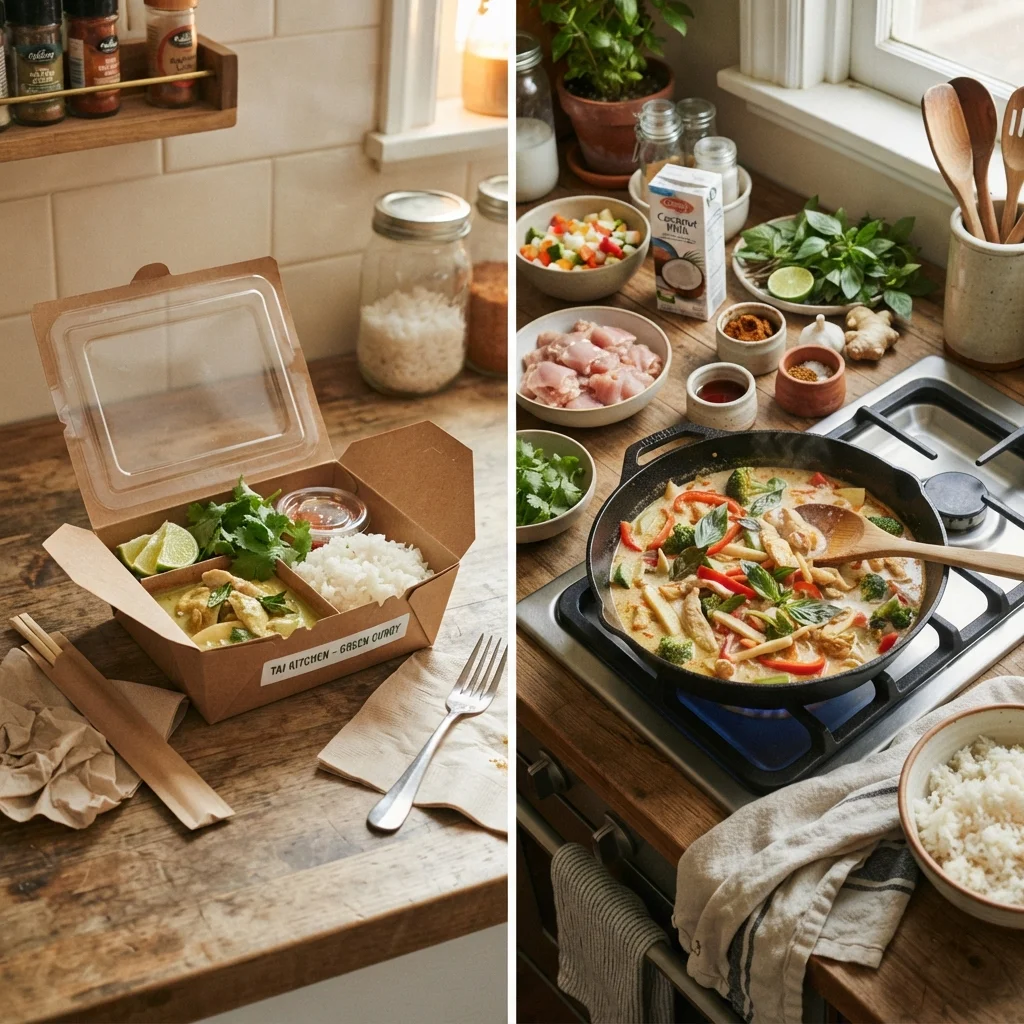
What You're Really Paying for When You Choose Convenience
Every convenience product bundles something beyond the food itself: labor, packaging, logistics, and the retailer's margin for doing the prep work on your behalf. A whole chicken might cost around $1.50 per pound, while pre-cut rotisserie portions from a deli counter can run three to four times that price. A bag of pre-washed, pre-cut broccoli florets typically costs 60–80% more per ounce than a full head of broccoli purchased whole.
These markups aren't hidden in fine print — they're just easy to overlook when you're focused on the item rather than the unit price. As everyday expenses stack up, these small premiums compound into a meaningful monthly total.
The categories where the convenience premium tends to be steepest include:
- Pre-portioned produce — washed salad mixes, peeled garlic, spiralized vegetables
- Meal kits — per-serving costs often exceed $10–$15, versus $3–$6 for equivalent home-cooked meals
- Single-serve packaging — individual snack packs, single-cup yogurts, and portioned nuts can cost 40–100% more than bulk equivalents
- Restaurant and takeaway meals — a home-prepared dinner for a family of four typically costs a fraction of the same meal ordered out
Unit Price Is Your Best Tool
Most US grocery stores are required to display unit pricing on shelf labels, showing cost per ounce, pound, or count. Comparing unit prices — rather than package prices — is the most reliable way to see the convenience markup in real time. This single habit can meaningfully shift purchasing decisions without requiring a full budget overhaul.
Side-by-Side: Where the Numbers Land
To make the comparison concrete, it helps to look at comparable meals rather than isolated ingredients. Consider a simple weeknight pasta with marinara sauce: prepared at home using dry pasta, canned tomatoes, garlic, and olive oil, the cost per serving often falls under $1.50. The same dish ordered from a casual restaurant typically costs $12–$18 per person, excluding tip.
| Criterion | Ready-Made / Takeaway | Home-Prepared |
|---|---|---|
| Cost per serving (pasta dish) | $12–$18 | Under $1.50 |
| Cost per serving (salad) | $8–$14 | $2–$4 |
| Pre-cut vs. whole broccoli (per oz) | 60–80% more | Base price |
| Meal kit (per serving) | $10–$15 | $3–$6 |
| Single-serve vs. bulk snacks | 40–100% premium | Base price |
| Active prep time required | Minimal | 15–60+ minutes |
| Food waste risk | Low | Moderate to high |
The gap is consistent across categories. Mapping your true everyday costs — including food — often reveals that convenience spending is one of the largest untracked line items in a household budget.
3–5×
Typical markup for pre-cut produce vs. whole
Consumer pricing analyses consistently show pre-portioned produce carries a significant per-ounce premium over whole equivalents at major US grocery retailers.
$3,000+
Estimated annual cost of regular takeout for a family
Based on three takeout meals per week at an average of $20 per person for a family of four, annual spending can exceed $12,000 — versus roughly $4,000–$6,000 for equivalent home-cooked meals.
30–40%
Food budget share that convenience can represent
Household budget tracking tools and financial planning resources suggest convenience foods and dining out often account for 30–40% of total food spending for US households that don't actively track.
The Time Cost Calculation: Is Home Cooking Always Worth It?
Home cooking only saves money if the time required is realistic for your situation. A weeknight meal that takes 90 minutes to prepare may not be sustainable for a household where both adults work full-time. In those cases, the relevant comparison isn't just dollars — it's dollars plus the real opportunity cost of time.
A few factors that shift the equation:
- Food waste: Buying whole ingredients that go unused erases savings quickly. Single-person households are especially vulnerable to this.
- Batch cooking: Preparing meals in larger quantities on weekends dramatically improves the time-to-savings ratio.
- Skill level: Faster, simpler recipes reduce the time cost of home cooking without requiring culinary expertise.
This is also where convenience choices can be made strategically rather than by default. Using pre-cut vegetables for a weeknight stir-fry might save 20 minutes and cost an extra $1.50 — a reasonable trade in a busy week. Ordering takeout for a family of four at $60 per meal, three nights a week, is a different calculation entirely. For more on how whole and processed foods differ, that context can also inform smarter shopping decisions.
This article is for general informational purposes only and does not constitute personalized financial advice. Consult a qualified financial professional for guidance specific to your situation.