Why a Pre-Departure Check Is Worth Your Time
Most roadside breakdowns aren't random misfortune — they're the result of a known issue that went uninspected. A pre-departure vehicle check is one of the most practical things a driver can do before a long journey, and it requires no mechanical expertise. Many of the items below involve nothing more than looking, listening, and comparing against your owner's manual.
Run this checklist 24 to 48 hours before your planned departure. That buffer gives you time to visit a mechanic or tyre shop if something needs attention without disrupting your schedule. If you're new to longer drives, our article on preparing for your first long-distance drive covers the broader planning picture alongside the mechanical side.
For an understanding of which checks you can confidently handle yourself and which are best left to a professional, see our guide on DIY car checks vs. professional servicing.
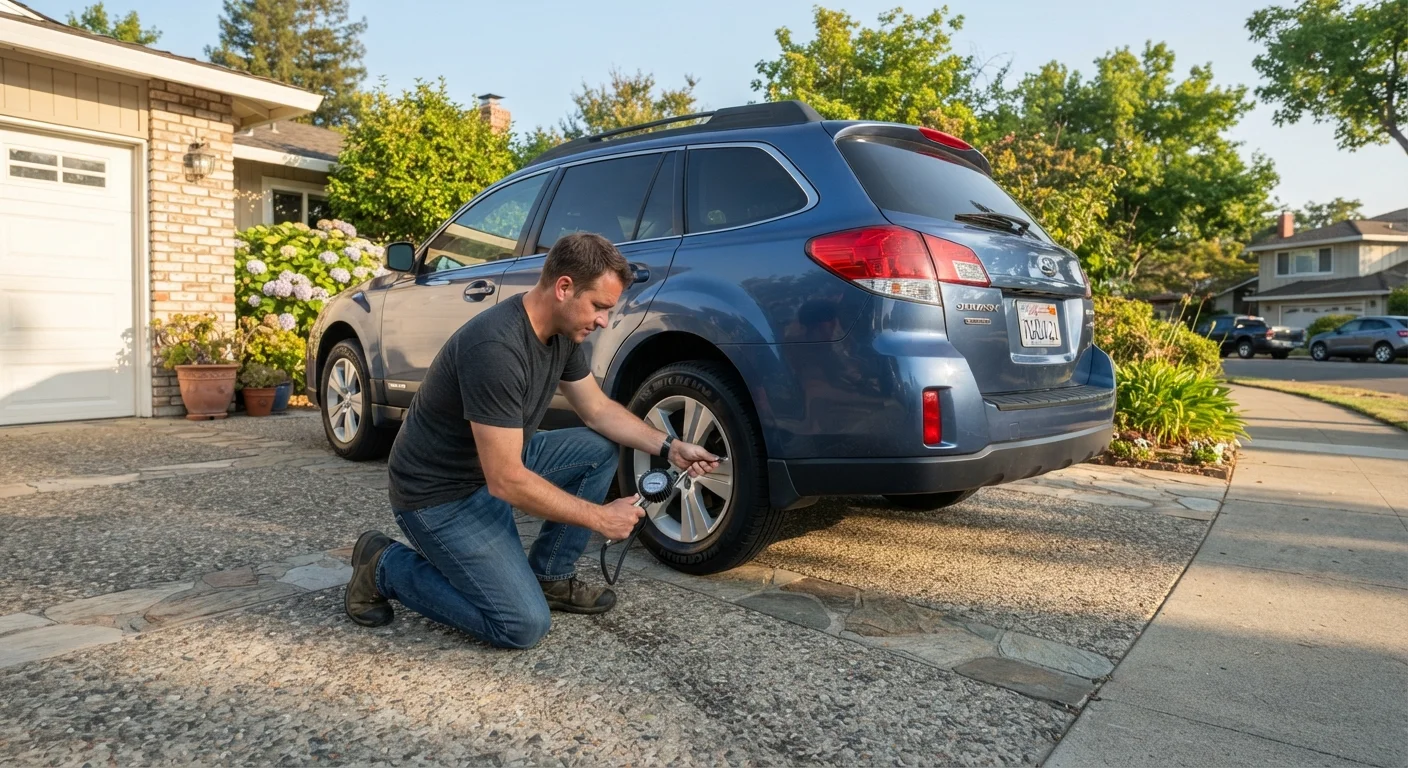
Tyre pressure gauge
Used to measure tyre inflation and confirm it matches the manufacturer's recommended PSI.
Tread depth gauge or coin
Checks whether tyre tread depth is within safe limits for highway driving.
Torch / flashlight
Helps inspect beneath the vehicle and in low-visibility areas like the engine bay.
Owner's manual
Provides fluid specifications, tyre pressure ratings, and service intervals specific to your vehicle.
Microfibre cloth
Used to clean the dipstick when checking oil level for an accurate reading.
The Complete Pre-Departure Checklist
Work through each group systematically. If you find a problem in any category marked must, address it before driving — even if that means rescheduling. For anything related to brakes, steering, or suspension abnormalities, take the vehicle to a qualified mechanic rather than attempting a DIY assessment.
Tyres
Fluids
Lights and Visibility
Brakes and Steering
Under the Hood and Body
Dashboard and Instruments
Brake and Steering Issues: Don't Wait
Any abnormality in braking feel or steering response should be evaluated by a qualified mechanic before your trip — these are not issues to monitor while driving hundreds of miles. Grinding brakes, a soft pedal, or a pulling sensation can indicate problems that may worsen significantly under highway load. Delaying professional inspection in these cases carries real safety risk.
What to Do When Something Fails the Check
Finding an issue doesn't mean your trip is cancelled — it means you caught something before it became a roadside emergency. Minor fluid top-offs and bulb replacements are straightforward. Tyre pressure adjustments can be made at most gas stations. But some findings demand professional attention before you go.
If a dashboard warning light is active, consult our guide to dashboard warning lights decoded to understand urgency levels. A check engine light, brake warning, or tyre pressure alert should never be dismissed before a multi-hour drive.
For context on keeping a record of what you find and fix, the maintenance log guide explains why documenting service history adds long-term value. And once your vehicle checks out, don't overlook conditions outside the car — weather planning is one of the most commonly skipped pre-trip steps.
Active Dashboard Warnings Are a Stop Sign
A warning light that was present before departure and ignored mid-trip can escalate quickly — especially engine temperature, oil pressure, or brake system alerts. If any of these are active, consult a mechanic before leaving, not after. Our dashboard warning lights guide explains which lights are urgent and which allow more time.
Seasonal Conditions Affect What to Prioritize
Extreme heat stresses coolant systems, tyre pressure fluctuates with temperature, and cold weather can reduce battery performance significantly. Adjust the emphasis of this checklist depending on the season and climate of your route. Our article on seasonal car maintenance covers what to watch for across different weather conditions.
Once you've confirmed the vehicle is roadworthy, complement this checklist with the road trip packing list most drivers overlook to make sure your safety gear and supplies are also in order.