The Misconception That Small Means Low-Maintenance
Rabbits, hamsters, gerbils, guinea pigs, birds, and rats are often marketed as easy starter pets — compact, quiet, and uncomplicated. In reality, many small animals have specific dietary, environmental, and medical needs that are just as demanding as those of a dog or cat, sometimes more so.
One of the most significant challenges is that small prey animals have evolved to conceal weakness. In the wild, showing illness invites predation. This instinct doesn't disappear in a domestic setting, which means your guinea pig or rabbit can be seriously unwell before any obvious signs emerge. By the time symptoms are visible, a condition may already be advanced.
Understanding that 'small' doesn't mean 'simple' is the first step toward giving these animals the care they actually need. See how common misunderstandings affect small pet health in our article on small pet myths that cause more harm than good.
Small Pets Age Faster Than You Think
A two-year-old rabbit is roughly equivalent to a young adult, while a five-year-old rabbit is considered senior. Rats and hamsters reach their senior years within 12–18 months. This accelerated aging means health conditions can progress quickly, and what seems like a minor change in behavior or appetite can reflect a significant underlying problem.
What Regular Veterinary Care Actually Involves
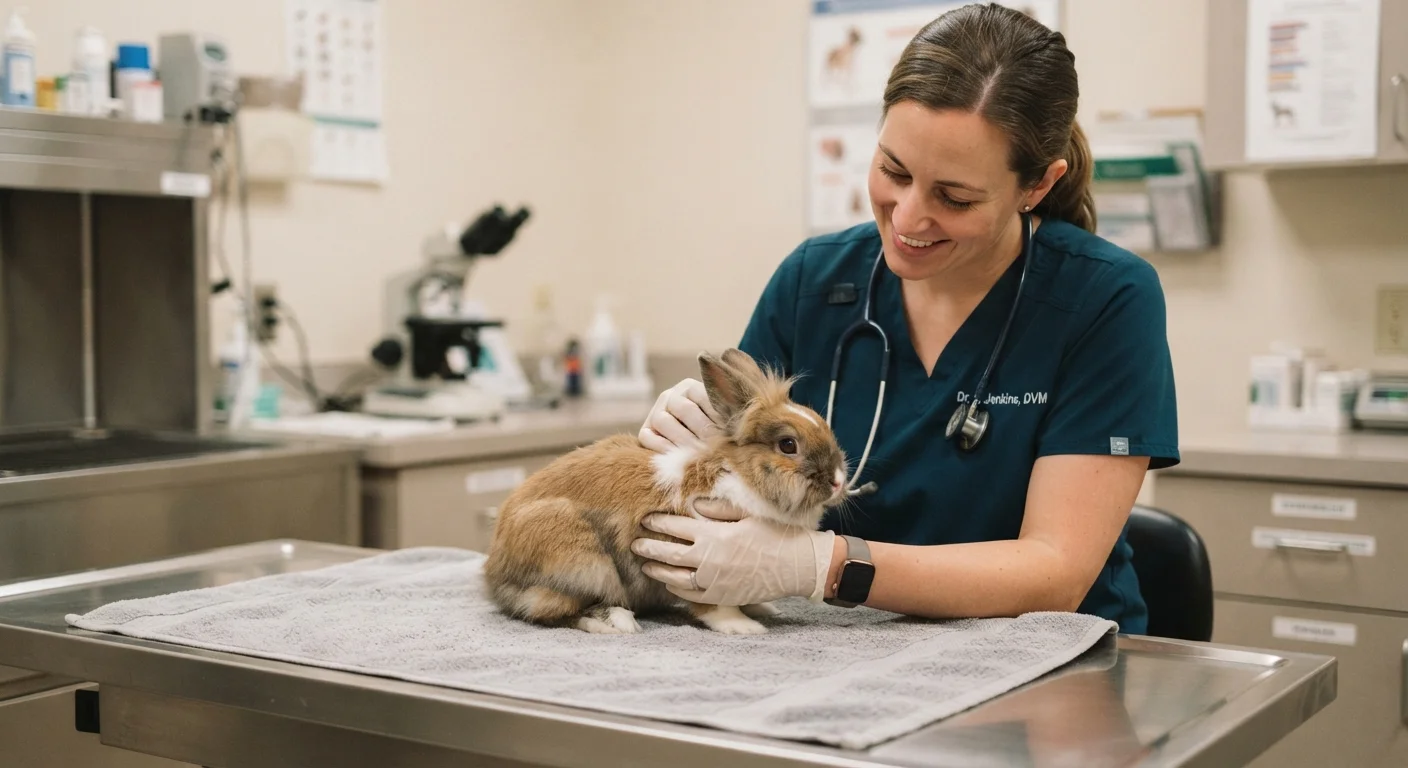
A wellness exam for a small pet typically includes a physical assessment of body weight, teeth, eyes, coat or feathers, breathing, and abdomen. The vet may check for parasites, assess joint health, and look for signs of dental disease — a particularly common and painful problem in rabbits and guinea pigs, whose teeth grow continuously throughout their lives.
For birds, annual checkups often include assessment of feather condition, beak and nail health, and sometimes bloodwork to check organ function. Birds can carry illnesses asymptomatically for extended periods, making routine screening especially valuable.
Depending on species and age, a vet may also discuss nutrition, housing, enrichment, and reproductive health. These conversations are just as important as the physical exam itself, since many small pet health problems stem from diet or environment rather than infection or injury.
~70%
Small pet owners who skip annual vet visits
Survey data from the American Pet Products Association has consistently shown that small animal owners visit veterinarians far less frequently than dog or cat owners, despite comparable health needs.
2–3 years
Average lifespan of a pet rat
Due to their short lifespan, health changes in rats can escalate rapidly — making semi-annual vet checkups advisable for animals over one year old.
30%+
Rabbits affected by dental disease
Dental malocclusion is one of the most common conditions seen in pet rabbits by exotic animal vets, often developing silently before outward signs appear.
Species-Specific Health Concerns to Know
Different small pets come with distinct health vulnerabilities. Awareness of these helps owners recognize warning signs earlier:
- Rabbits: Prone to gastrointestinal stasis (a potentially fatal slowdown of gut movement), dental malocclusion, and urinary tract issues. Any rabbit that stops eating or producing droppings needs prompt veterinary attention.
- Guinea pigs: Cannot synthesize their own vitamin C, making dietary deficiency a real concern. They are also susceptible to respiratory infections and ovarian cysts, particularly in unspayed females.
- Rats and mice: Respiratory illness is extremely common in pet rats due to widespread latent infections. Mammary tumors are frequently seen in female rats. Lifespan is short — often two to three years — so health changes can progress quickly.
- Birds (parrots, cockatiels, finches): Susceptible to psittacosis (a bacterial infection transmissible to humans), aspergillosis (a fungal lung disease), and nutritional deficiencies from seed-only diets.
- Hamsters and gerbils: Prone to dental problems, wet tail (a serious bacterial condition in hamsters), and tumors in older animals.
If you're weighing which small pet suits your household, our guide on guinea pigs vs. rabbits covers care demands side by side.
Track Baseline Health at Home
Weigh your small pet weekly using a kitchen scale and keep a simple log. Gradual weight loss in small animals is easy to miss by eye but shows clearly in numbers. Bring this log to vet appointments — it gives the vet valuable context and can help detect problems between visits.
Finding the Right Veterinarian for Your Small Pet
Not every veterinary clinic is equipped to care for rabbits, birds, or exotic rodents. General practice vets receive limited training in exotic and small animal species during their education, so it's worth seeking out a practice that specifically lists small mammal or avian care among its services.
The Association of Exotic Mammal Veterinarians (AEMV) and the Association of Avian Veterinarians (AAV) maintain online directories to help owners find practitioners with relevant experience. Searching these resources before your pet falls ill means you won't be scrambling in a stressful moment.
When you call a clinic, useful questions include: How often do you see rabbits (or your specific species)? Do you have experience with dental procedures in small mammals? Is there an avian-experienced vet on staff? These questions help gauge whether the practice is genuinely comfortable with your animal.
For comparison, cat owners preparing for a routine visit may find it useful to review what a cat wellness visit involves — many of the same preparation principles apply to small pets.
This article is for general informational purposes only and is not a substitute for professional veterinary advice. Always consult a qualified veterinarian for questions about your pet's health.