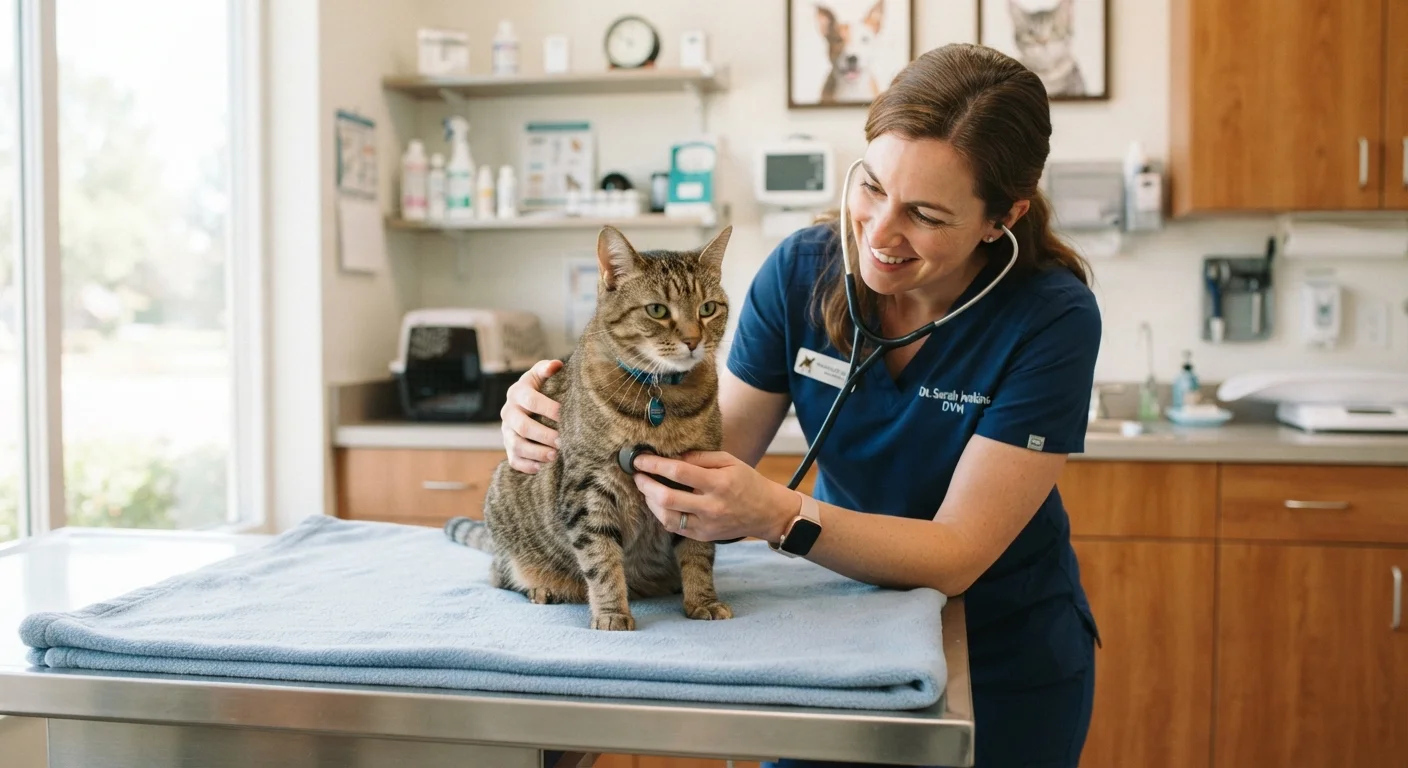
Why the Annual Wellness Visit Matters
Cats are skilled at masking discomfort — a trait rooted in survival instincts that can work against them in a domestic setting. By the time a health issue becomes visible to you, it may already be well advanced. The annual wellness exam gives your veterinarian an opportunity to detect subtle changes in weight, organ function, dental condition, and coat quality that you might not notice at home.
For new cat owners, the visit can feel uncertain. If you're still getting used to caring for your first cat, our guide what new cat owners genuinely need to know offers helpful context before you walk in the door. And because your cat's lifestyle shapes their health risks significantly, it's worth understanding how indoor versus outdoor life affects your cat's wellbeing — information your vet will factor into their recommendations.
Arriving prepared means you spend more of the appointment focused on your cat's actual health rather than hunting for vaccine dates or fumbling through recall.
Secure cat carrier
Transports your cat safely and reduces escape risk and stress during travel to and from the clinic.
Vaccination and health records
Allows the veterinarian to review immunization history and identify what's due or overdue.
Sealed fecal sample container
Enables parasite screening without requiring an additional visit for sample collection.
Written list of questions and observations
Ensures you cover everything you intended to discuss and don't forget key concerns mid-appointment.
Smartphone with video capability
Lets you show the vet behavioral symptoms or gait issues that don't occur during the exam itself.
What to Bring to the Appointment
Walking in organized signals to your vet that you're an engaged owner — and it speeds up the intake process considerably.
Documents and Records
Samples and Supplies
Behavioral and Lifestyle Notes
Practical Preparation
Don't Skip the Carrier Acclimation Step
Many cats associate their carrier exclusively with stressful trips, making loading a struggle every time. Leave the carrier out at home with a familiar blanket inside for several days before the appointment. This small step can meaningfully reduce your cat's anxiety and make the vet's physical exam easier to conduct accurately.
If your cat has shown any unusual behavior at home — changes in appetite, litter box habits, vocalization, or grooming — jot these down before you go. Veterinarians rely heavily on owner observations for behavioral context that a 30-minute exam can't replicate. Our article on reading your cat's body language can help you interpret and articulate what you've been noticing.
What Your Vet Will Typically Assess
A standard feline wellness exam follows a systematic head-to-tail pattern. Understanding what's being evaluated helps you ask better questions and absorb the findings more meaningfully.
- Weight and body condition: Gradual weight loss or gain can signal metabolic, dental, or systemic issues early.
- Oral health: Dental disease affects the majority of adult cats and can impact kidney and heart health if left untreated.
- Eyes, ears, and coat: Cloudiness, discharge, or a dull coat may indicate nutritional gaps, parasites, or underlying illness.
- Heart and lungs: Your vet will listen for murmurs, irregular rhythms, or breathing abnormalities.
- Abdomen: Palpation helps detect organ enlargement, masses, or pain responses.
- Lymph nodes: Swelling can indicate infection or, in older cats, certain cancers.
- Vaccination and parasite prevention review: Your vet will confirm what's due and tailor recommendations to your cat's age and lifestyle.
Dental Disease Is Often Underreported
Studies from veterinary associations suggest that a significant proportion of cats over age three show some form of dental disease, yet most owners are unaware of the problem until it's advanced. Dental issues cause real pain and can affect kidney, liver, and heart health over time. Make sure to ask your veterinarian to include an oral health assessment and discuss whether a professional dental cleaning is warranted.
Senior cats — generally considered age 10 and older — may benefit from twice-yearly wellness visits and additional bloodwork. Talk with your vet about the right schedule for your cat's life stage.
Questions Worth Asking Before You Leave
The appointment is a two-way conversation. Come with a short list of questions so you leave with actionable answers rather than lingering uncertainty.
- Is my cat's current weight healthy, and should I adjust their diet?
- Are there any early signs of concern I should monitor at home?
- Does my cat need a dental cleaning this year?
- Which vaccines or parasite preventives are recommended given their lifestyle?
- Should I schedule any bloodwork, urinalysis, or imaging at this stage?
- Is my cat's behavior — grooming, vocalization, sleep — within normal range?
If you have a small pet at home in addition to a cat, our coverage on veterinary care for rabbits, birds, and rodents explains how wellness needs differ across species.
This article is for general informational purposes only and is not a substitute for professional veterinary advice. Always consult a licensed veterinarian for guidance specific to your cat's health needs.