Set Up the Space Before Your Cat Arrives
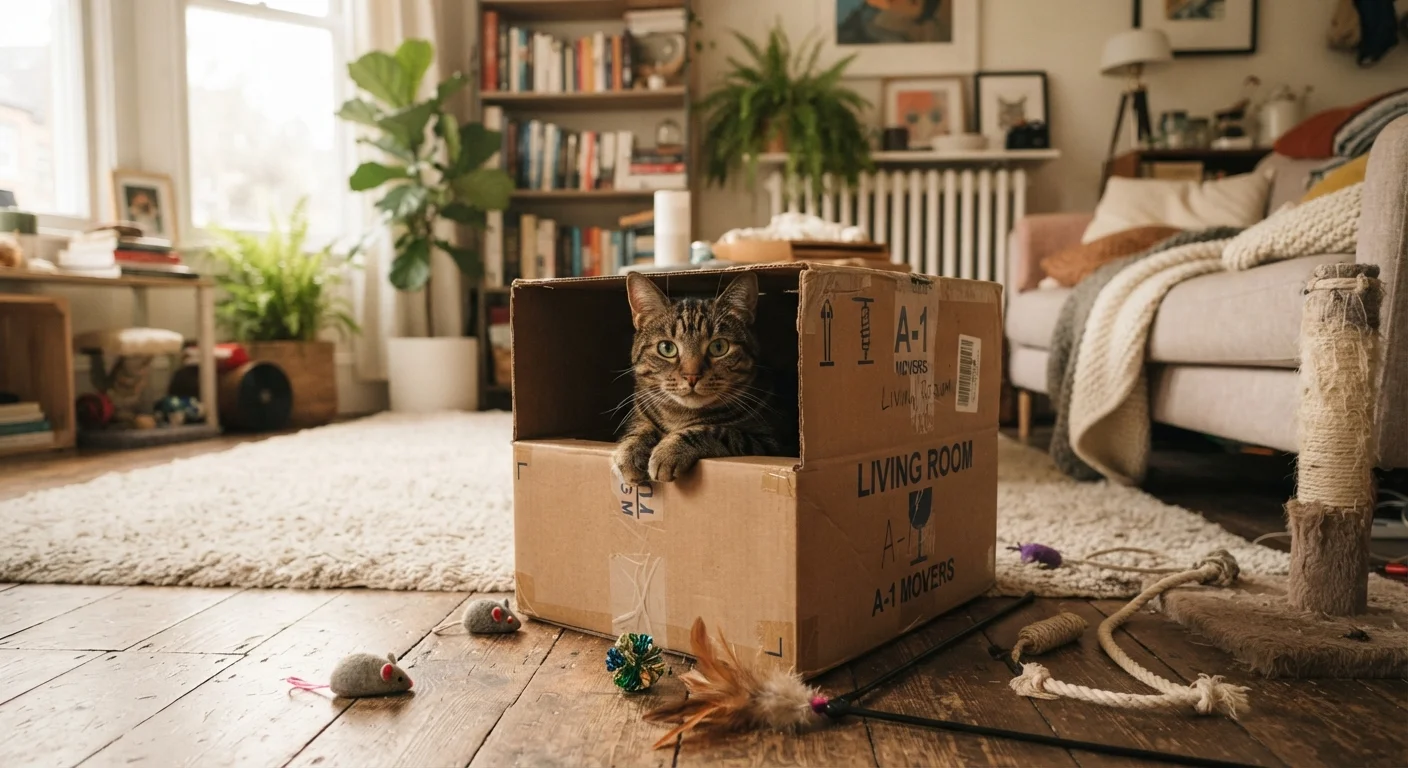
One of the most overlooked pieces of advice for new cat owners: don't give your cat the run of the house on day one. Instead, prepare a single quiet room — a bedroom or a spare room — stocked with a litter box, food, water, a hiding spot, and a few toys. This base camp approach reduces overwhelm and gives your cat a controlled environment to decompress in.
Cat-proof this room before your cat enters. Get down to floor level and look for hazards: exposed cords, gaps behind appliances, small objects that could be swallowed, and unsecured windows. Plants deserve special attention — many common houseplants are toxic to cats, including lilies, pothos, and philodendrons. Remove them from areas your cat will access.
The Base Camp Approach Works
Confining your cat to one room for the first few days isn't cruel — it's genuinely helpful. A smaller, familiar territory lets them build confidence before exploring a larger home. Expand access gradually, one room at a time, as your cat shows signs of relaxed, curious behavior.
Just as decluttering a home requires working in zones, setting up for a new cat is easier when you tackle one room at a time. If you're also managing a household reorganization, our home organization guide can help you think systematically about shared spaces.
The First 48 Hours: What to Expect
New cats hide. It's not rejection, and it's not a sign that something went wrong — it's a healthy stress response. Your cat is processing a massive change in environment, scent, and sound. The instinct to find cover and wait is deeply wired into feline behavior.
Resist the urge to coax your cat out or follow them behind the couch. Instead, sit nearby, speak softly, and let them approach on their own timeline. Leave a worn item of clothing near their hiding spot — your scent is reassuring. Meals left quietly and picked up without fuss signal safety better than any forced interaction will.
If your cat hasn't eaten or used the litter box within 24–36 hours, or if you notice signs of distress like constant loud vocalization or labored breathing, contact a veterinarian. Otherwise, give it time.
Hiding Is Normal — Forcing Isn't
It can be tempting to pull a hiding cat out for reassurance, but this usually increases stress rather than reducing it. Let your cat set the pace entirely during those first few days. Most cats begin to venture out and explore on their own within 24–72 hours.
Litter Boxes, Food, and Water — Getting the Basics Right
The standard guideline for litter boxes is one per cat, plus one extra. For a single cat, that means two boxes. Cats are fastidious about their bathroom habits — a dirty or poorly placed box is one of the top reasons for litter box avoidance, which can quickly become a behavioral problem.
Scoop at least once daily. Fully replace litter and clean the box weekly. Most cats prefer unscented, clumping litter, but if your cat came from a shelter, start with whatever type they were using and transition slowly if you want to switch.
For food, match what your cat was eating before adoption and change gradually over seven to ten days if needed. Abrupt food changes can cause digestive upset. Keep fresh water available at all times — many cats prefer a wide, shallow bowl or a pet water fountain to encourage hydration, though individual preferences vary.
Obligate carnivore
An animal that must eat meat to survive. Cats cannot synthesize certain essential nutrients from plant sources and require animal-based protein in their diet.
FVRCP vaccine
A combination vaccine protecting cats against three common and serious diseases: feline viral rhinotracheitis, calicivirus, and panleukopenia. Often called the 'core' cat vaccine.
Litter box aversion
When a cat begins avoiding or refusing to use their litter box. Usually caused by cleanliness issues, an undesirable location, or an underlying medical problem.
Enrichment
Activities, objects, or environmental features that stimulate a cat's natural instincts — hunting, climbing, exploring — to keep them mentally and physically healthy.
Safe room
A single, enclosed space set up specifically for a new cat to decompress in during the initial transition period before being given access to the wider home.
Slow blink
A relaxed, deliberate closing and opening of the eyes that cats use as a calming signal. Returning a slow blink to your cat can help build a sense of trust.
Understanding Cat Behavior from Day One
Cats communicate constantly — through tail position, ear angle, body posture, and vocalizations. A tail held high usually signals confidence; a puffed tail means fear or aggression. Slow blinking at your cat is widely considered a calming signal that many cats reciprocate. Our cat body language guide walks through the specifics in detail.
New owners are often surprised by behaviors that seem odd but are entirely normal: knocking items off surfaces, bringing "gifts," chattering at birds, or racing around the house late at night (colloquially called the "zoomies"). These are driven by instinct, not misbehavior. Why cats knock things over is one of the more common questions we hear from first-time owners — and the answer is more interesting than most people expect.
If you have a solo cat, enrichment matters from the start. Boredom can lead to anxiety and destructive behavior. Puzzle feeders, rotating toys, and window perches all help — see our guide on keeping an only cat mentally stimulated for practical ideas.
Don't Punish Instinctive Behavior
Scolding or startling a cat for scratching furniture, vocalizing at night, or knocking things over is likely to damage trust without changing the behavior. These actions are driven by instinct, not defiance. Redirect with appropriate outlets — a scratching post, scheduled play sessions, or window access — and consult your vet if a behavior suddenly changes or escalates.
Veterinary Care You Shouldn't Skip
Schedule a vet visit within the first week, even if your cat appears perfectly healthy. A baseline wellness exam establishes records, confirms vaccination status, screens for parasites, and catches anything that might not be visible to you at home. If your cat came from a shelter, ask for copies of all medical records to bring along.
Core vaccinations for cats typically include rabies and the FVRCP combination vaccine (feline viral rhinotracheitis, calicivirus, and panleukopenia). Your vet will advise on a schedule based on your cat's age, health, and lifestyle. Spaying or neutering, if not already done, is generally recommended — your vet can discuss timing.
Building a relationship with a vet early means you have someone to call when questions arise, which they will. Our annual cat wellness visit guide is a useful reference for every check-up going forward.
This article provides general information for educational purposes and is not a substitute for professional veterinary advice. Always consult a licensed veterinarian for guidance specific to your cat's health and needs.