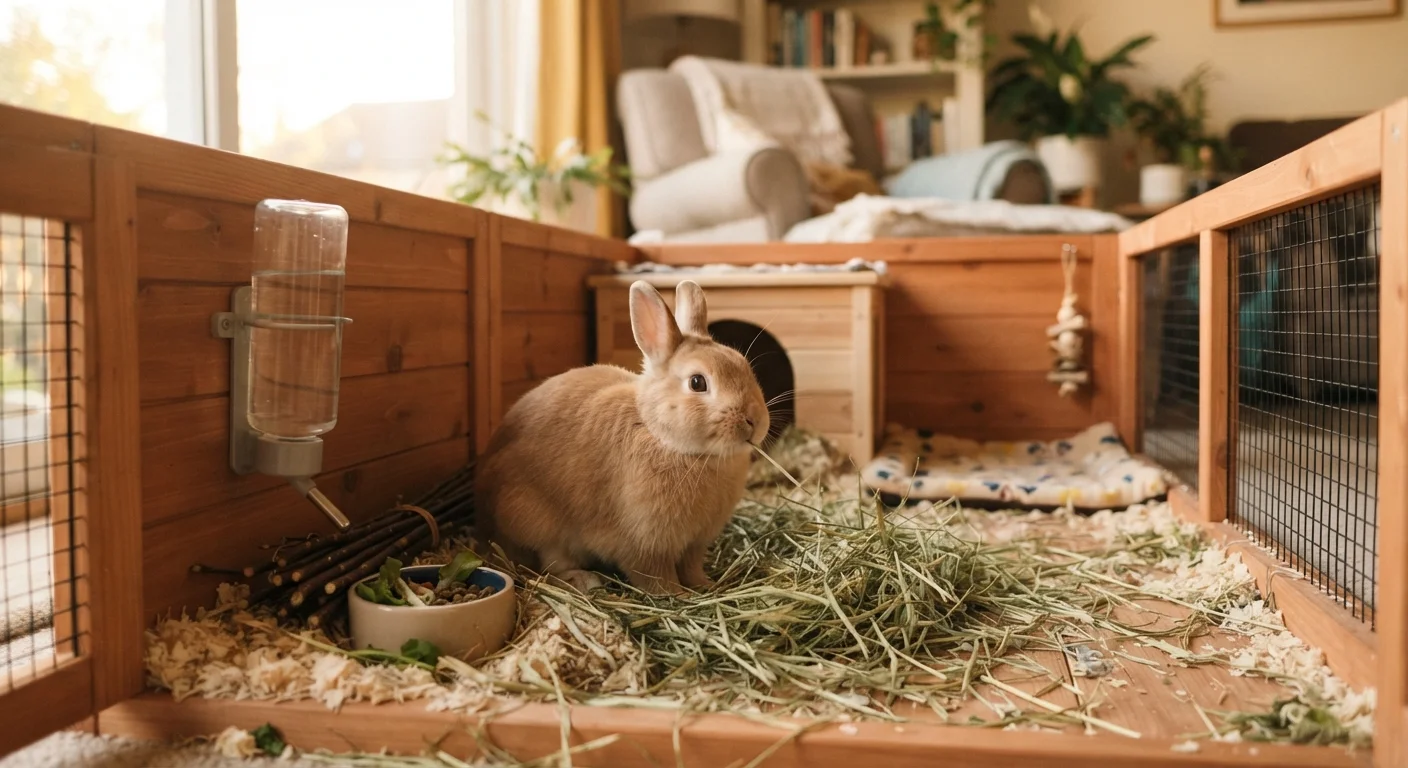
Choosing the Right Small Pet for Your Lifestyle
The phrase 'small pet' covers a remarkably wide range of animals — rabbits, guinea pigs, hamsters, gerbils, rats, budgies, cockatiels, and more. Each has distinct social needs, activity patterns, lifespans, and care requirements that will shape your daily routine for years to come.
Before choosing, ask honest questions: Are you home during the day or evening? Do you have young children? How much floor space can you realistically dedicate? Guinea pigs and rabbits, for example, need far more room than most new owners expect. For a direct comparison of two popular options, see our Guinea Pigs vs. Rabbits guide.
It's also worth knowing that many widely held assumptions about small pets don't hold up. Our article on small pet myths fact-checks common misconceptions — including the persistent idea that these animals are low-maintenance 'starter pets.'
Exotic-animal vet
A veterinarian with specialised training in non-traditional pets such as rabbits, rodents, and birds. General-practice dog-and-cat vets may not have this expertise.
Prey species
Animals that are naturally hunted in the wild. Most small pets are prey species and instinctively hide illness or fear, requiring owners to be especially observant.
Enrichment
Objects, activities, or environmental features that allow an animal to express natural behaviours, such as burrowing, foraging, or chewing. Enrichment supports mental and physical wellbeing.
Pellet-based diet
A formulated food compressed into uniform pellets, designed so the animal cannot selectively eat only preferred ingredients. Often recommended as a base diet for many small rodents and birds.
Acclimation period
The time it takes a new pet to adjust to its environment, people, smells, and sounds. During this period, limiting handling and keeping the space calm helps reduce stress.
Setting Up the Habitat Before Day One
Preparing the enclosure before your pet arrives is one of the most important things you can do. Animals arriving to a finished, stable environment experience less stress than those moved into a space still being assembled around them.
Enclosure size is the most commonly underestimated factor. Research the minimum recommended space for your specific species from a reputable animal welfare source — not the packaging on a pet-store cage. Add appropriate bedding (paper-based bedding is widely used for many rodents), hiding spots, and enrichment items such as tunnels or wooden chews. Water and food dishes should be secure and easy to clean.
Place the habitat in a quiet area away from direct sunlight, drafts, and household appliances that emit high-pitched sounds — many small animals are sensitive to noise frequencies humans can't hear. Avoid placing the enclosure in a room with frequent foot traffic during the first few weeks.
Set Up the Full Habitat the Night Before
Do a full trial run of the enclosure the evening before you bring your pet home — fill water bottles, test any attachments, and confirm everything is secure. This way you can focus entirely on your new animal on arrival day rather than troubleshooting equipment. A calm, unhurried first introduction makes a real difference.
Feeding Basics: What Small Pets Actually Need
Diet is one of the most common areas where new small-pet owners make mistakes. A few important principles apply across species:
- Hay is non-negotiable for rabbits and guinea pigs. It should make up the majority of their diet, supporting gut health and wearing down continuously growing teeth.
- Seed mixes are rarely adequate alone. Many commercial seed mixes for hamsters, gerbils, and birds allow selective feeding — animals pick out high-fat favourites and leave the nutritious components. Pellet-based diets formulated for your species are often recommended as a base.
- Fresh vegetables and water daily. Guinea pigs cannot synthesise their own vitamin C and must receive it through fresh food. Always verify which vegetables are safe for your species before offering them.
When in doubt about your pet's specific nutritional needs, ask your vet — diet questions are a legitimate reason to book a consultation, and getting it right from the start prevents health problems later.
Many 'Safe' Human Foods Are Toxic to Small Pets
Do not assume a food is safe because it is healthy for humans or commonly fed to other pets. Onions, grapes, chocolate, avocado, and foods containing xylitol (an artificial sweetener) can be harmful or fatal to small animals. Always verify each new food with a species-specific source or your vet before offering it.
Handling, Bonding, and the First Few Weeks
Patience is the most valuable tool in the first weeks with a small pet. Most small animals are prey species by nature, meaning they are hardwired to be cautious around unfamiliar people, sounds, and environments. Pushing too much contact too soon can set back trust significantly.
For the first three to five days, focus on presence rather than interaction. Sit near the enclosure, speak softly, and let your pet observe you without pressure. Begin offering food from your hand before attempting to pick the animal up. When you do handle your pet, support its full body weight — small animals that feel insecure may bite or struggle.
Knowing when stress is present helps you pace introductions correctly. Subtle cues — such as freezing, over-grooming, or hiding for unusually long periods — can indicate anxiety. Our guide to signs of stress in small animals walks through what to look for and what typically triggers it.
Health, Vet Care, and What to Watch For
Small pets are adept at masking illness — a survival trait that makes regular observation and proactive veterinary care essential. Locate an exotic-animal or small-animal veterinarian before your pet arrives, not after a health concern appears. Emergency situations with an unfamiliar vet are harder to navigate than an already-established relationship.
An initial wellness exam within the first week or two is strongly recommended for any new small pet. This establishes a health baseline and gives you a direct resource for questions about diet, behaviour, and housing. For a full picture of what ongoing veterinary care looks like for small animals, see why small pets still need veterinary care.
Day-to-day, watch for changes in eating, drinking, droppings, activity level, or coat condition. Any sudden change warrants a call to your vet — small animals can decline quickly when ill, so early attention matters.
Small Pets Are Not Low-Maintenance by Default
The idea that small pets require less time, money, or attention than dogs or cats is a widespread misconception. Rabbits can live 10 or more years; guinea pigs need daily fresh food and social interaction; birds require mental stimulation and regular out-of-cage time. Make sure your expectations are grounded before committing to any species.
This article provides general information for educational purposes only and is not a substitute for advice from a qualified exotic-animal or small-animal veterinarian. If you have concerns about your pet's health, contact a licensed professional.
House Rabbit Society
A non-profit organisation offering detailed, vet-reviewed care guides for rabbit owners, covering diet, housing, health, and behaviour.
Association of Exotic Mammal Veterinarians (AEMV)
A professional body for vets specialising in exotic mammals. Their public resources can help owners understand what specialist small-animal care looks like.
Small Pet Care Journal Template
A simple daily log to track your pet's eating, drinking, droppings, and behaviour — useful for spotting changes and reporting accurately to your vet.